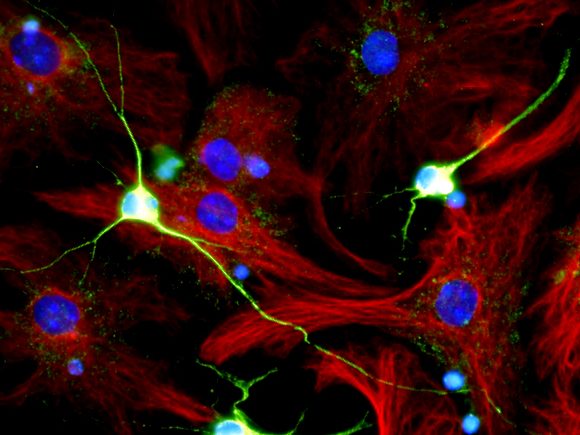
Congenital Insensitivity to Pain with Anhidrosis (CIPA) is a rare genetic disorder that affects the nervous system. There are several factors used to identify a case of CIPA. First, individuals with CIPA do not respond to pain stimuli, which can result in frequent injuries, burns, or fractures, often going unnoticed. Second, individuals have the inability to sweat, which can lead to hyperthermia (overheating). This is especially true in warm environments, since sweating helps regulate body temperature. Third, some individuals with CIPA may have cognitive impairments, such as learning disabilities, delayed developmental milestones, or impaired decision-making skills, though this is not a universal symptom. CIPA is an extremely rare disease, with one in 125 million babies born with it. It is more prevalent in certain populations, such as the Japanese and the Israeli Bedouin people (Indo). CIPA is caused by mutations in the NTRK1 gene, which follows an autosomal recessive inheritance pattern. For a child to develop CIPA, they must inherit two defective copies of the gene, one from each parent. In populations with higher rates of consanguinity (marriage between close relatives), the likelihood of inheriting two copies of the same rare mutation increases significantly. This is a key factor in the higher prevalence of CIPA in populations like Israeli Bedouins and some Japanese groups.
The condition is caused by mutations in the neurotrophin receptor kinase 1 (NTRK1) gene, which plays a critical role in the development and function of nerve cells responsible for transmitting pain and regulating sweat glands. In most cases of CIPA, both parents are carriers for NTRK variants (Indo). The TrkA receptor, encoded by the NTRK1 gene, is a critical component of the nervous system and in pain and inflammation responses. This receptor is involved in the development and maintenance of sensory neurons, particularly those involved in pain perception, also called nociception. TrkA is a receptor for nerve growth factor (NGF), a protein essential for the survival, differentiation, and function of neurons (Mardy et. al). By regulating the development of nociceptive neurons, TrkA ensures the proper formation of pathways that transmit pain signals from peripheral tissues to the central nervous system (Indo).
Because they do not feel pain, people with CIPA need careful monitoring to avoid self-injury or overheating, and they require tailored medical care throughout life. After injury, careful observation is necessary because fevers and infections can come out of nowhere and make the situation fatal. The post-injury solutions are difficult to discuss because there is not much a doctor can do if serious post-injury or post-surgery complications arise. On a minor injury that was fixed properly, thermoregulation treatments are a well documented solution. These measures include external stimuli that can keep the skin cool including but not limited to the use of cooling blankets, appropriate hot-weather clothing to allow ventilation, and cold drinks. Pamidronate works to prevent fractures by strengthening bones and reducing bone turnover, particularly in conditions like osteoporosis where bone density is compromised (Nabyev et. al).
Childhood is a time of exploration and learning, as children use their curiosity to navigate the world around them. For healthy children, this often means climbing trees to see the countryside, falling off monkey bars during play, or riding bicycles to discover new places. While these activities occasionally result in minor injuries, children with CIPA face much greater risks because their bodies do not provide pain signals to warn them of harm. This makes seemingly harmless childhood activities potentially life-threatening. For example, one study found that children with CIPA between the ages of 1 and 7 experienced significantly higher rates of fractures compared to other age groups, highlighting the vulnerability of this exploratory phase of childhood (Nabyev et al.). This trend underscores how crucial it is to monitor young children with CIPA closely, as their natural curiosity can lead to serious injuries that might otherwise go unnoticed.
To combat CIPA with higher success rates, diagnoses must be made earlier in life. This provides a child with a better chance of understanding their disease. Children with CIPA often do not realize they are injured because they lack the pain signals that typically alert the body to harm. Without pain as a guide, they might not recognize that a fall has caused a broken bone or that a small wound is becoming infected. This makes it crucial to teach them alternative strategies for monitoring their bodies. CIPA education for a child could include body sensitivity sessions where they’re taught that their body works differently from other kids. For example, when other kids scrape their knee or bonk heads with another child, they cry. Children with CIPA should be taught that if they fall or run into something, they need to tell an adult and be taken to the doctor for an exam. With consistent education, proactive monitoring, and medical care, individuals with CIPA can learn to navigate their condition and lead relatively normal, fulfilling lives despite the challenges.
Works Cited: Indo Y. NTRK1 congenital insensitivity to pain with anhidrosis. NCBI. April 30, 2020. Accessed October 18, 2024. https://www.ncbi.nlm.nih.gov/books/NBK1769/#. Mardy S, Miura Y, Endo F, et al. Congenital insensitivity to pain with anhidrosis: novel mutations in the TRKA (NTRK1) gene encoding a high-affinity receptor for nerve growth factor. Am J Hum Genet. 1999;64(6):1570-1579. doi:10.1086/302422 Nabyev, Vugar Nabi, et al. “Congenital Insensitivity to Pain Syndrome with Anhidrosis. Review of Literature.” Journal of Pediatrics and Pediatric Medicine, 1 Aug. 2018, http://www.pediatricsresearchjournal.com/articles/congenital-insensitivity-to-pain-syndrome-with-anhidrosis-revi ew-of-literature.html.
 King Lab at Creighton University