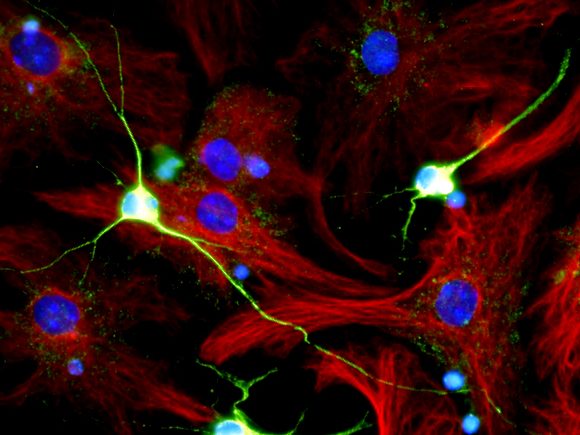
Trigeminal Neuralgia is a chronic pain condition characterized by sharp, stabbing facial pain. It can be divided into two types based on underlying physiological causes while having similar symptoms. Classical Trigeminal Neuralgia, Type 1, is caused by compression of the trigeminal nerve root by the superior cerebellar artery near the brainstem. Due to the constant pressure from the blood vessel, the myelin sheath of the nerve root decays. This demyelination is thought to be the cause of the misfiring of the nerve, resulting in excruciating facial pain. Symptomatic Trigeminal Neuralgia, Type 2, is caused by conditions including multiple sclerosis, tumors, and aneurysms that compress and damage the nerve or its root.
Trigeminal neuralgia originates from the trigeminal nerve, which is the fifth of the twelve cranial nerves located on the human brain. The trigeminal nerve is divided into three branches that assist in controlling the face. These branches include ophthalmic, maxillary, and mandibular nerves. The main function of the trigeminal nerve is to relay sensory information, such as temperature, pain, and touch, from the face to the brain and vice versa, as well as communicate with motor neurons. Light stimulation of the face, including shaving, applying makeup, or even a light breeze, can ignite painful attacks. While the attacks are quick and spontaneous, they are categorized as being the most severe pain known, resembling an electric shock.
First line management of trigeminal neuralgia is typically pharmacological treatments. These medications are used to stop the misfiring of action potentials of the trigeminal nerve. Carbamazepine is typically the first drug used in the treatment of classical trigeminal neuralgia. It is a voltage-gated sodium channel blocker, so it inactivates the sodium channels of the present in the axons of the trigeminal nerve. This inactivation increases the threshold of an action potential to control the repetitive misfiring of the nerve causing pain. However, due to the severity of Carbamazepine’s side effects which include dizziness, ataxia, nausea or vomiting, constipation, changes in vision, headaches, rashes, sores, unusual bleeding, and liver damage. Oxcarbazepine can be prescribed as an alternative with fewer side effects. Oxcarbazepine uses the same mechanism of action, with the addition of reducing the activity of calcium-gated channels which reduce neuronal firing and therefore contribute to pain relief. If these first-line medications are ineffective, they may be used in conjunction with second-line medications. Second-line medications like Baclofen or Gabapentin typically decrease the release of glutamate, the main excitatory neurotransmitter, and have less severe side effects.
If pharmacological treatments prove to be ineffective for the patient, the next possible non-invasive step is stereotactic radiosurgery. One type of stereotactic radiosurgery is gamma knife radiation. The gamma knife delivers a high dose of cobalt-60 to the target location using exact x,y,z coordinates. The patient’s head is stabilized in a frame, and many beams of radiation pass through the brain tissue, however, only causes harm to the targeted region. It does not damage the surrounding healthy brain tissue. The high dose of radiation is delivered at the singular beam convergence point.
Gamma knife radiation aids in pain relief of trigeminal neuralgia. The procedure induces nerve damage using radiation directly onto the trigeminal nerve. This would effectively impede the pain signaling caused by the compression and demyelination of the nerve. The pain relief would be seen within weeks to months from the date of the procedure. Despite this waiting period for immediate pain relief, this would provide long-term pain relief, getting to the “root” of the nerve problem instead of managing temporary relief using pharmaceuticals.
 King Lab at Creighton University