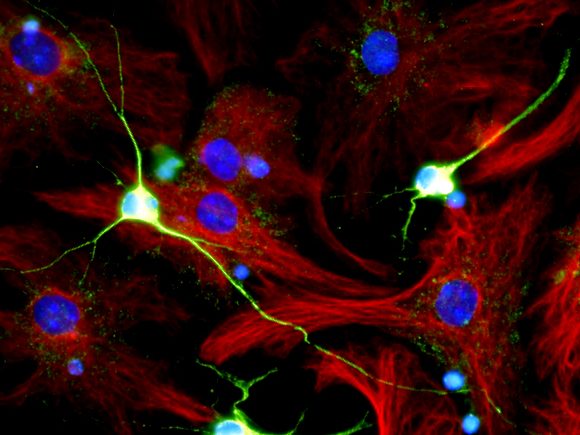
Neuronal ceroid lipofuscinosis (NCL), also known as Batten Disease, consists of a rare group of genetic conditions that cause waste material to build up in the brain. There are 13 known forms of this disease which are commonly referred to as CLN1-CLN14. It affects the structure and function of the neuronal cells and eventually leads to neurodegeneration. NCL is a fatal disease, and it occurs in 1/100,000 live births. There are currently 14,000 children with Batten disease worldwide. It most often begins in childhood, but it can also take up to 30 years to present symptoms.
In NCL, a cell’s ability to remove a waste product called ceroid lipofuscin is affected. Ceroid lipofuscin is a fatty waste material that accumulates inside of lysosomes which process the cellular waste in our bodies. When ceroid lipofuscin builds up inside the neuron, it is an indication that the cell’s lysosomes are dysfunctional. The build up of this fatty waste material causes the neurons to gradually lose function and die.
Out of the 13 known forms of NCL, the most common type is CLN3. CLN3 is a gene that lies on chromosome 16 and was discovered relatively recently in 1995. The CLN3 version of NCL is inherited as an autosomal recessive disorder, meaning that both copies of the chromosome must carry the CLN3 mutation in the gene for the individual to be affected. Both parents are unaffected carriers. This specific gene encodes a lysosomal transmembrane protein called battenin. It plays a role in maintaining lysosomal function by regulating pH and calcium homeostasis. Its absence and/or mutation leads to metabolic impairment and premature neuronal death.
In CLN3, children appear healthy and develop normally for the first few years. The first sign of the disease appears when the child is between 4-7 years of age and involves the gradual loss of vision. The children will lose most of their vision but will retain some awareness of color and light/dark until later in disease progression. For the most part though, they are able to enjoy life just as any toddler that age would. The next stage of the disease begins with the sudden onset of epileptic seizures with the average age of seizure onset being 10 years. These seizures are often motor seizures paired with limb jerking and loss of consciousness and can be controlled for a couple of years with the aid of medication. As the child progresses into their teenage years, they will start to experience motor dysfunction and changes in their speech. Eventually, the child will require a wheelchair. Their speech will become more repetitive and gradually more difficult to comprehend. These children will also slowly requiring more full-time care through the day. The disease progression could last months or years and fatality usually occurs sometime between the ages of 15 and 35 years depending on when the onset of the disease occurs.
As of right now, NCL diagnosis is done through genetic testing. Blood and urine tests, skin or tissue samples, eye exams, and brain imaging can also help detect NCL. For some, it can take years to receive a proper diagnosis with NCL symptoms sometimes being misdiagnosed as autism or epilepsy. Adult-onset diagnosis usually requires a brain biopsy because, as of now, the genetic basis for late onset NCL is still unknown.
Current treatments consist of anti-seizure drugs and physical/occupational therapy to help manage motor symptoms and improve quality of life. For children with the CLN2 type of NCL, the FDA has recently approved the use of cerliponase alfa. Cerliponase alfa is an enzyme replacement therapy that can slow or stop the progressive loss of movement that occurs in this specific disease type. Researchers are working towards creating gene therapy treatments for NCL as well as new drugs that can block the destructive buildup of ceroid lipofuscin. The Batten Disease Support, Research, & Advocacy Foundation is providing support to further our current knowledge on NCL to help the future children diagnosed with this destructive disease.

